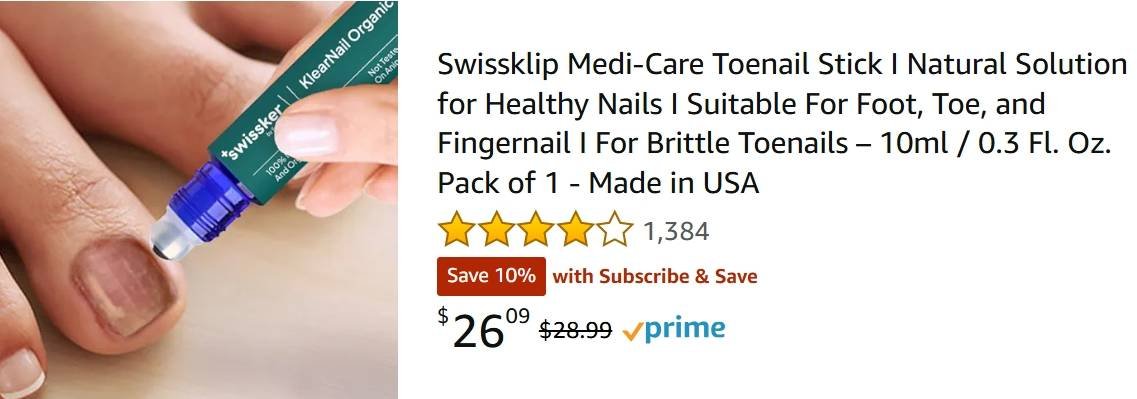
Sudden Toenail Thickening: Causes, Risks, and What to Do
Find a Podiatrist Near You
Get same-day appointments with verified podiatrists. Insurance accepted.
Introduction
Sudden toenail thickening can feel alarming, especially when it develops without warning. One week your nails look normal; the next, they appear dense, discolored, or unusually hard.
While nail changes are often gradual, rapid thickening usually signals an underlying issue that requires attention. In many cases, the cause is minor and treatable. In others, it may point to infection, trauma, or systemic health concerns.
Understanding what drives sudden changes helps prevent complications, discomfort, and long-term nail damage.
What Is Sudden Toenail Thickening?
Sudden toenail thickening refers to a noticeable increase in nail plate density, hardness, or depth that develops quickly over days or weeks rather than months.
It may involve:
- Yellow, white, or brown discoloration
- Nail brittleness or crumbling edges
- Separation from the nail bed
- Pain or pressure in shoes
- Deformity or uneven growth
Toenails grow slowly—about 1–2 mm per month—so rapid thickening typically reflects a disruption in normal nail formation.
7 Common Causes of Sudden Toenail Thickening
1. Fungal Infection (Onychomycosis)
The most frequent cause of sudden toenail thickening is onychomycosis, a fungal infection affecting the nail bed.
Fungi thrive in warm, moist environments such as locker rooms, showers, and sweaty shoes. Once they penetrate the nail, they feed on keratin and cause:
- Thickening
- Yellowing
- Crumbling texture
- Nail distortion
Early detection significantly improves treatment outcomes.
2. Repeated Trauma or Pressure
Chronic friction from tight footwear, running, or impact injuries can stimulate the nail to grow thicker as a protective response.
Athletes and workers wearing steel-toe boots are particularly vulnerable. Even mild repetitive trauma can lead to nail plate thickening over time.
3. Psoriasis of the Nails
Nail psoriasis can mimic fungal infections but stems from an autoimmune condition.
It may cause:
- Thickened nail plates
- Pitting or small dents
- Nail lifting (onycholysis)
- Irregular surface texture
If skin psoriasis exists elsewhere on the body, nail involvement becomes more likely.
4. Aging and Circulation Changes
As people age, nails naturally grow slower and may thicken. Reduced circulation can decrease oxygen delivery to the nail matrix, altering growth patterns.
Although gradual thickening is common with age, sudden toenail thickening warrants closer evaluation.
5. Bacterial Infection
Bacterial infections, though less common, may lead to nail thickening combined with greenish discoloration or foul odor.
Prompt treatment is essential to prevent spreading into deeper tissues.
6. Peripheral Vascular Disease
Poor blood flow to the lower extremities can impact nail growth. Thickened nails may appear alongside symptoms such as cold feet, slow wound healing, or numbness.
7. Systemic Health Conditions
Certain medical conditions can influence nail structure, including:
- Diabetes
- Thyroid disorders
- Immune deficiencies
In some cases, sudden toenail thickening acts as an early external clue of internal imbalance.
Quick Comparison Table: Causes and Key Signs
| Cause | Key Symptoms | Speed of Onset | Requires Medical Care? |
|---|---|---|---|
| Fungal Infection | Yellowing, crumbling | Gradual to moderate | Often yes |
| Trauma | Localized thickening | Gradual | Sometimes |
| Psoriasis | Pitting, lifting | Moderate | Yes |
| Aging | General thickening | Slow | No |
| Bacterial Infection | Green tint, odor | Fast | Yes |
| Circulation Issues | Cold feet, pain | Gradual | Yes |
| Systemic Illness | Multiple symptoms | Variable | Yes |
How to Identify the Real Cause
Because sudden toenail thickening has multiple triggers, correct diagnosis matters.
A healthcare provider may perform:
- Nail clipping analysis
- Microscopic examination
- Fungal culture testing
- Blood tests for systemic conditions
Self-diagnosis often leads to ineffective treatment.
Risk Factors That Increase the Likelihood
Certain lifestyle and environmental factors raise the odds of developing sudden toenail thickening:
- Frequent exposure to moisture
- Wearing non-breathable shoes
- Walking barefoot in public areas
- Diabetes or weakened immunity
- Nail injuries
Homeowners and property managers should also consider shared facilities. Community showers, pools, and locker rooms can increase fungal transmission risk.
Practical Prevention Strategies
Prevention significantly reduces recurrence and spread.
Maintain Proper Foot Hygiene
- Wash feet daily
- Dry thoroughly, especially between toes
- Change socks regularly
Choose Breathable Footwear
Opt for shoes that allow airflow. Rotate pairs to prevent moisture buildup.
Disinfect Shared Surfaces
In properties with shared amenities:
- Clean floors regularly
- Use antifungal disinfectants
- Encourage residents to wear protective footwear
Trim Nails Properly
Cut straight across and avoid cutting too short. Sterilize nail tools before use.
Treatment Options
Treatment depends on the root cause.
For Fungal Infections
- Topical antifungal medications
- Oral antifungal prescriptions
- Laser therapy in resistant cases
Treatment may require several months due to slow nail growth.
For Trauma
Allow the nail to grow out naturally. Reduce pressure and adjust footwear.
For Psoriasis
Topical steroids or systemic medications may be prescribed by a dermatologist.
For Underlying Health Issues
Managing diabetes, improving circulation, or correcting hormonal imbalances often restores healthier nail growth.
When to Seek Medical Attention
Consult a healthcare provider if you notice:
- Rapid worsening
- Pain or swelling
- Nail separation
- Signs of infection
- Multiple nails affected simultaneously
Early care prevents long-term complications.
Frequently Asked Questions
What causes sudden toenail thickening overnight?
True overnight thickening is rare. Most cases develop over weeks but become noticeable suddenly. Infection or trauma is typically responsible.
Is sudden toenail thickening always fungal?
No. While fungal infection is common, psoriasis, trauma, and circulation problems can also trigger changes.
Can sudden toenail thickening reverse on its own?
If caused by trauma, it may improve as the nail grows out. Fungal or medical causes usually require treatment.
Is thickening a sign of diabetes?
It can be associated with diabetes, especially when combined with slow healing or numbness. Medical evaluation is recommended.
How long does treatment take?
Because toenails grow slowly, visible improvement may take 3–12 months depending on severity.
Long-Term Nail Health Strategies
Maintaining strong nail integrity requires consistent habits:
- Keep nails trimmed
- Inspect feet regularly
- Address minor injuries promptly
- Avoid prolonged moisture exposure
- Seek professional evaluation for persistent changes
Proactive care reduces recurrence and protects overall foot health.
Conclusion
Sudden toenail thickening should never be ignored. Although often caused by manageable conditions like fungal infection or minor trauma, it can also signal underlying health concerns.
Early identification, accurate diagnosis, and appropriate treatment are essential. Whether you manage residential properties, maintain shared facilities, or simply care about personal health, understanding the causes of sudden toenail thickening empowers you to respond quickly and effectively.
When nail changes appear abruptly, timely action protects comfort, mobility, and long-term well-being.
Ready to See a Podiatrist?
Connect with top-rated podiatrists in your area. Book appointments instantly with verified doctors who accept your insurance.
Same-Day Appointments
Get seen today with urgent care availability
Verified Reviews
Real patient reviews and ratings
Insurance Accepted
Most major insurance plans covered