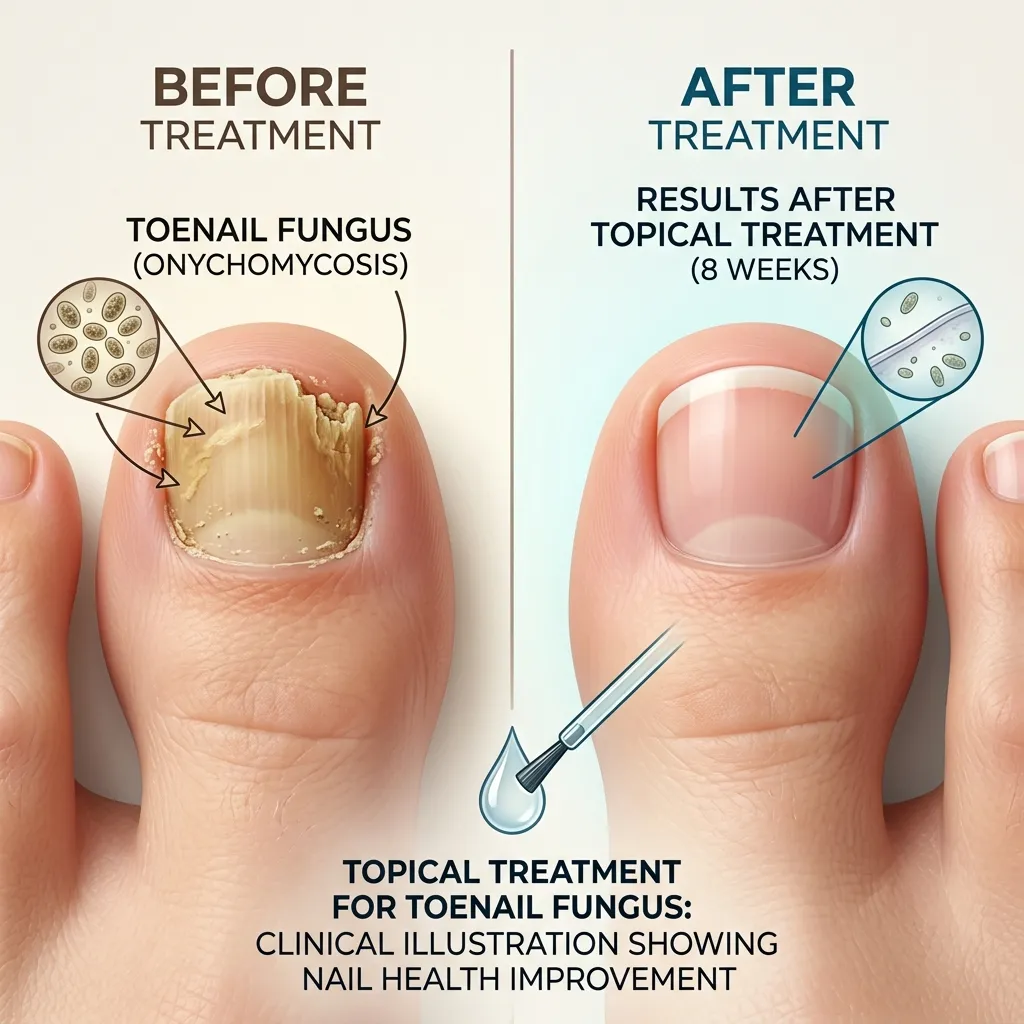
Applying regular drugstore nail polish over a fungal toenail acts like plastic wrap that suffocates the nail bed and traps moisture, accelerating fungal proliferation. Dark polish also hides the infection, allowing it to penetrate into the deep root matrix. If you must wear polish, choose physician-formulated breathable antifungal lacquers (infused with tea tree oil and undecylenic acid) and remove it every 5 days.
The Summer Sandal Panic: Why We Want to Hide It
As warmer weather approaches or ahead of an anticipated beach vacation, millions of people look down at their feet and notice a discolored, yellowed, or thickened big toenail. The natural emotional reaction is embarrassment: I can't wear open-toed sandals or go barefoot at the pool looking like this. I will just paint over it.
While understandable, painting over active onychomycosis is one of the most counterproductive actions you can take for your foot health.
The Greenhouse Effect: What Happens Beneath Polish
Standard nail polishes contain nitrocellulose, plasticizers, and formaldehyde resins that dry into a rigid, non-porous chemical shield. When you coat an infected nail:
- Moisture Trapping: Foot sweat has nowhere to evaporate. The moisture accumulates directly between the nail plate and the bed.
- Keratin Weakening: Trapped moisture and fungal enzymes turn dense keratin into soft, crumbly mush.
- Masking Infection Spread: By covering the nail in opaque red, black, or nude polish, you lose the ability to monitor the infection as it silently spreads toward the matrix and neighboring toes.
The Podiatrist's Guide to Wearing Polish with Fungal Nails
If you have an important upcoming wedding, beach trip, or special event and simply cannot bear the thought of going bare-toed, follow this harm-reduction medical protocol:
| Protocol Step | Standard Dangerous Practice | Podiatric Harm-Reduction Rule |
|---|---|---|
| Type of Polish | Standard drugstore lacquer or gel overlay | Physician-formulated breathable antifungal lacquer |
| Duration on Nail | Weeks or months without removal | Maximum 4 to 5 days, followed by 3 days bare |
| Remover Used | 100% harsh drying acetone | Non-acetone, soy-based nourishing remover |
| Topical Antifungal Timing | Applied over polish (Zero absorption) | Applied directly to bare nail plate on rest days |
Clinical Questions to Ask Your Specialist at Your Visit
When you visit a board-certified podiatrist or foot and ankle specialist in New York City, advocating for your long-term comfort and recovery begins with asking the right questions. Bring this clinical consultation checklist to your appointment:
1. "Is this condition purely localized, or is there an underlying biomechanical cause?"
Understanding whether overpronation, gait abnormalities, or bone spurs (subungual exostosis) are driving recurrent nail trauma ensures that your treatment addresses the root biomechanical source.
2. "What are my conservative vs. definitive treatment options?"
Ask your doctor to outline the difference in recurrence rates between conservative temporary measures (such as slant-back clipping or topical lacquers) and permanent in-office solutions (such as chemical matrixectomy or Nd:YAG laser therapy).
3. "What specific home hygiene and footwear changes should I make?"
Request personalized footwear advice tailored to your work requirements, athletic mileage, or medical history to prevent future reinfection or traumatic relapse.
Clear, honest communication between patient and specialist is the foundation of compassionate podiatric medicine. Board-certified foot doctors are dedicated to walking you through every step of your diagnosis in plain, reassuring language with zero judgment.
Get Sandal-Ready Feet with In-Office Debridement
Don't hide discolored nails under damaging polish. A podiatrist can painlessly thin and restore your nail plate in one visit. Book on Zocdoc.