Toenail Treatment Options Complete Guide
Find a Podiatrist Near You
Get same-day appointments with verified podiatrists. Insurance accepted.
Toenail Treatment Options Complete Guide resources are essential for individuals dealing with fungal infections, thickened nails, discoloration, or chronic nail damage. Toenail disorders are more common than most people realize, and they can become persistent, uncomfortable, and even painful if not treated properly. Many individuals ignore early symptoms, assuming they are cosmetic issues, but untreated nail conditions can worsen over time and spread to other nails or skin.
This Toenail Treatment Options Complete Guide is designed to provide a comprehensive, expert-level understanding of every major treatment pathway available today. From oral antifungal medications and topical therapies to advanced laser treatments and surgical interventions, this guide explores effectiveness, risks, costs, and long-term prevention strategies.
Whether you are dealing with a mild infection or a severe, recurring condition, this Toenail Treatment Options Complete Guide will help you make informed, confident decisions about your treatment journey.

Overview of Treatment Categories
In this Toenail Treatment Options Complete Guide, treatment methods are broadly divided into six primary categories:
- Oral antifungal medications
- Topical prescription treatments
- Laser therapy
- Mechanical nail debridement
- Surgical nail removal
- Combination therapy
Each approach varies in effectiveness depending on the severity of the infection, number of nails involved, and patient health conditions.
Mild cases often respond well to topical treatments, while moderate to severe infections typically require systemic (oral) medications. This Toenail Treatment Options Complete Guide emphasizes that selecting the right treatment is critical to achieving long-term success.
Oral Antifungal Medications
This YouTube video below explains antifungals, the medications used to treat fungal infections. It highlights how they work, different types available, and their role in managing conditions like nail and skin infections. 🦠💊✨
Oral antifungal therapy remains the gold standard for treating moderate to severe toenail fungus.
Terbinafine
Terbinafine is one of the most commonly prescribed medications in this Toenail Treatment Options Complete Guide due to its high success rate.
How it works:
It disrupts fungal cell membrane synthesis, effectively killing the fungus.
Typical dosage:
- 250 mg daily
- Duration: 6–12 weeks
Effectiveness:
- Cure rates: 60–75%
Itraconazole
Itraconazole is an alternative used when terbinafine is not suitable.
Dosing methods:
- Continuous therapy
- Pulse dosing (1 week per month)
Effectiveness:
- Cure rates: 50–70%
Side Effects
This Toenail Treatment Options Complete Guide highlights potential side effects:
- Headache
- Nausea
- Digestive discomfort
- Taste disturbances
- Skin rash
- Rare liver toxicity
Monitoring
Doctors often recommend:
- Baseline liver tests
- Periodic blood monitoring
This ensures safety and improves treatment success.
Topical Medications
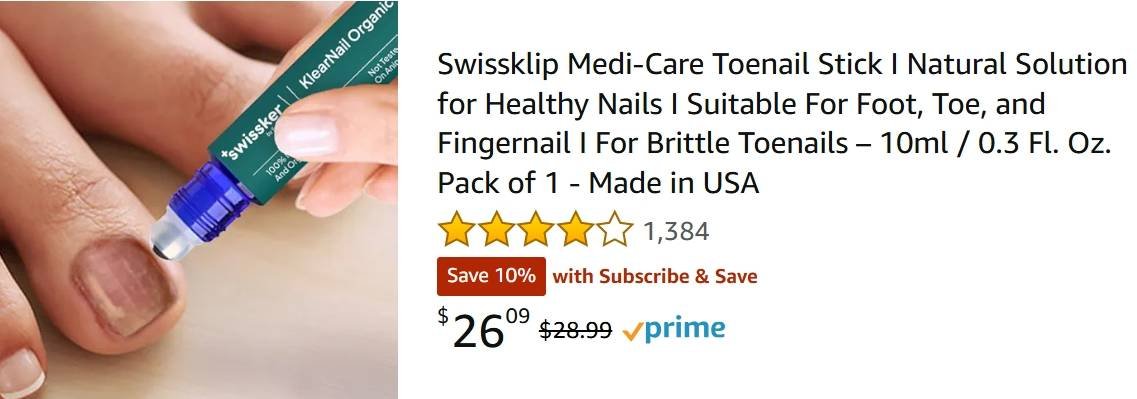
Topical treatments are ideal for early-stage infections and patients who cannot take oral medications.
In this Toenail Treatment Options Complete Guide, topical therapies are described as safer but slower alternatives.
How They Work
Topical antifungals:
- Penetrate the nail plate
- Inhibit fungal growth
- Require consistent long-term application
Advantages
- Minimal systemic side effects
- Safe for long-term use
- Suitable for high-risk patients
Limitations
- Lower cure rates
- Poor penetration in thick nails
- Less effective for deep infections
Treatment Duration
- Typically 9–12 months
This Toenail Treatment Options Complete Guide stresses patience, as visible results depend on nail growth.
Laser Therapy
Laser treatment is a modern, non-invasive option discussed extensively in this Toenail Treatment Options Complete Guide.
Mechanism
Laser devices:
- Emit focused light energy
- Heat and destroy fungal cells
- Preserve surrounding tissue
Procedure
- Duration: 20–30 minutes
- No anesthesia required
- Performed in a clinic setting
Sessions Required
- Usually 2–4 sessions
- Spaced several weeks apart
Effectiveness
- Success rates: 30–70%
- Best when combined with other treatments
This Toenail Treatment Options Complete Guide notes that results vary based on infection severity and patient adherence.
Nail Debridement
Nail debridement is a supportive treatment frequently used alongside other therapies.
What It Involves
- Trimming thickened nails
- Removing infected material
- Thinning the nail plate
Benefits
- Reduces fungal load
- Improves medication penetration
- Relieves pressure and pain
- Enhances cosmetic appearance
Frequency
- Every 6–8 weeks
This Toenail Treatment Options Complete Guide recommends debridement as part of a comprehensive treatment plan.
This YouTube video below shows toenail debridement, a procedure performed by a podiatrist to remove thickened or damaged nail tissue. It highlights how this treatment helps reduce discomfort and improve overall nail health. 🦶✨
Surgical Nail Removal
For severe or resistant infections, surgical removal may be necessary.
Indications
- Severe nail thickening
- Chronic pain
- Recurrent infections
- Failed previous treatments
Types
- Partial nail removal
- Complete nail removal
- Permanent removal (matrix destruction)
Recovery
- Healing time varies
- Requires proper wound care
This Toenail Treatment Options Complete Guide emphasizes that surgery is typically a last-resort option.
Combination Therapy
Combination therapy often delivers the best results.
Examples include:
- Oral medication + debridement
- Laser therapy + topical treatment
- Oral + topical combination
Benefits
- Higher cure rates
- Faster improvement
- Lower recurrence risk
This Toenail Treatment Options Complete Guide strongly supports personalized treatment plans tailored to individual cases.
Treatment for Special Groups
Certain populations require specialized care.
Diabetics
Higher risk of:
- Secondary infections
- Poor healing
- Circulatory complications
Early treatment is critical.
Seniors
Challenges include:
- Slower nail growth
- Thicker nails
- Multiple health conditions
Safer options like topical treatments are often preferred.
Children
- Rare condition
- Requires cautious dosing
- Specialist consultation recommended
Pregnant Women
- Oral medications usually avoided
- Topicals used with caution
This Toenail Treatment Options Complete Guide highlights the importance of individualized care for these groups.
Side Effects and Risks
Every treatment carries some level of risk.
| Treatment Type | Common Risks | Serious Risks |
|---|---|---|
| Oral medication | Nausea, headache | Liver toxicity |
| Topical therapy | Mild irritation | Rare allergy |
| Laser therapy | Redness | Minimal |
| Surgery | Pain | Infection, deformity |
This Toenail Treatment Options Complete Guide stresses proper diagnosis to minimize unnecessary risks.
Cost Overview
Treatment costs vary widely.
Estimated Costs
- Oral medication: $100–$400
- Topical treatments: $300–$800/year
- Laser therapy: $200–$1,000 total
- Surgery: $300–$1,500
This Toenail Treatment Options Complete Guide recommends discussing costs upfront with providers.
Insurance Coverage
Insurance may cover:
- Doctor visits
- Diagnostic tests
- Medically necessary procedures
However:
- Laser therapy is often considered cosmetic
- Preauthorization may be required
Understanding coverage is essential when following this Toenail Treatment Options Complete Guide.
Why Treatments Fail
Treatment failure is common and often preventable.
Common Reasons
- Incomplete treatment course
- Misdiagnosis
- Reinfection from shoes
- Poor hygiene
- Resistant fungal strains
This Toenail Treatment Options Complete Guide highlights adherence as the most important factor.
Recurrence Prevention
Preventing recurrence is critical.
Practical Tips
- Keep feet dry
- Rotate footwear
- Use antifungal powders
- Wear breathable shoes
- Disinfect nail tools
- Avoid barefoot exposure in public areas
Nails grow slowly, so patience is essential.
This Toenail Treatment Options Complete Guide emphasizes long-term maintenance.
Treatment Comparison Summary
| Treatment | Best For | Cure Rate | Duration |
|---|---|---|---|
| Oral medication | Moderate–severe | High | 6–12 weeks |
| Topical therapy | Mild cases | Moderate | 9–12 months |
| Laser therapy | Drug-intolerant | Variable | 2–4 sessions |
| Debridement | Thick nails | Supportive | Ongoing |
| Surgery | Severe cases | High | Immediate |
FAQs
What is the most effective treatment?
Oral antifungal medications remain the most effective option in most moderate to severe cases, as explained in this Toenail Treatment Options Complete Guide.
Is laser treatment better than medication?
Laser therapy is useful but generally does not outperform oral medications for advanced infections.
How long does treatment take?
Visible improvement may take several months, with full nail regrowth taking up to a year.
Can toenail fungus return?
Yes, recurrence is common without proper prevention.
Should mild fungus be treated?
Yes. Early treatment prevents progression and complications.
Conclusion
This Toenail Treatment Options Complete Guide provides a complete, expert-driven overview of all available treatments for toenail fungus and related nail disorders. From oral medications and topical therapies to laser procedures and surgical removal, each option has its place depending on severity and individual patient needs.
Toenail infections are persistent but highly manageable with the right strategy. Early diagnosis, consistent treatment, and proper prevention significantly improve long-term outcomes.
Following the recommendations in this Toenail Treatment Options Complete Guide can help you avoid complications, reduce recurrence, and restore healthy nail growth. When in doubt, always consult a qualified healthcare professional to develop a personalized treatment plan.
Ready to See a Podiatrist?
Connect with top-rated podiatrists in your area. Book appointments instantly with verified doctors who accept your insurance.
Same-Day Appointments
Get seen today with urgent care availability
Verified Reviews
Real patient reviews and ratings
Insurance Accepted
Most major insurance plans covered