If your toenail has detached, do not rip off hanging pieces. Clean the area with mild soap and lukewarm water, apply plain petroleum jelly (Vaseline) or antibacterial ointment, and cover loosely with a sterile, non-stick Telfa bandage. Avoid pouring harsh rubbing alcohol or hydrogen peroxide directly onto the raw bed. It takes 9 to 12 months for a big toenail to completely regenerate.
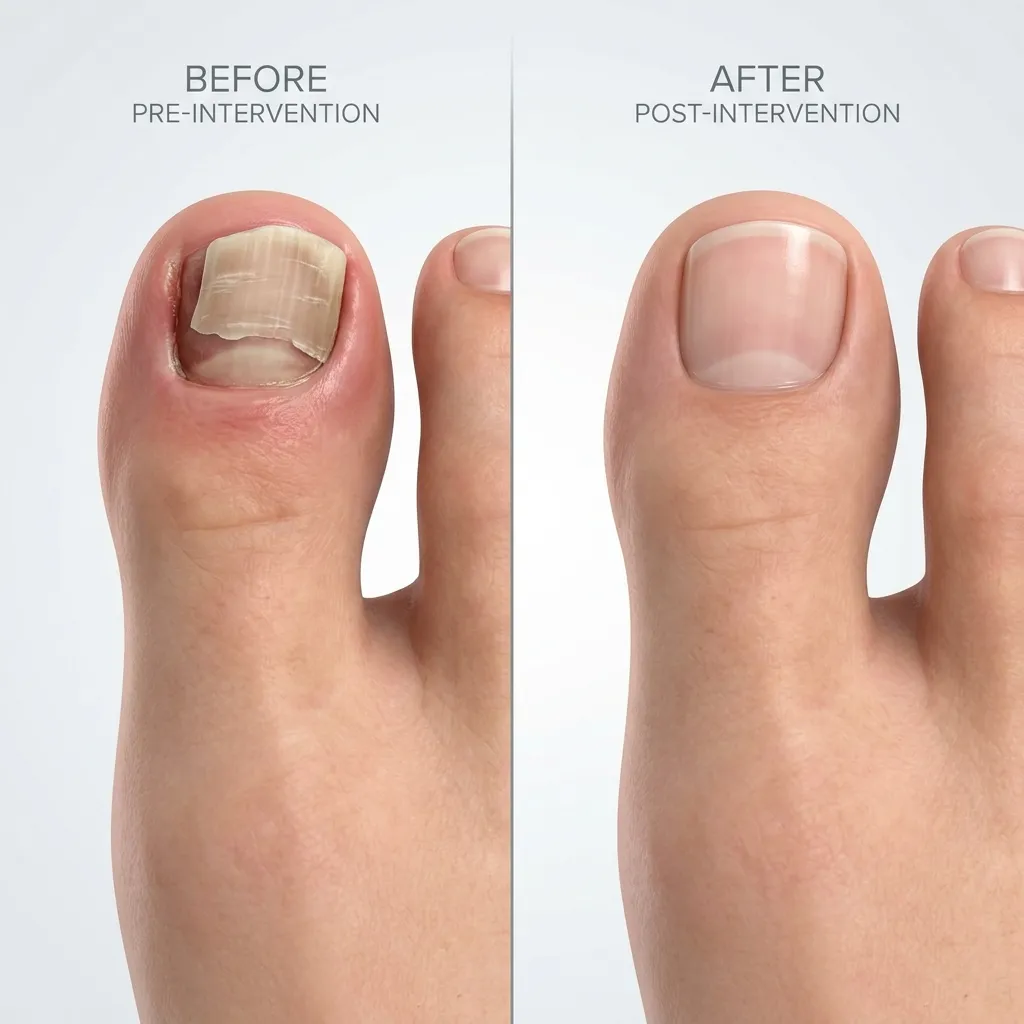
Immediate First Aid: The First 30 Minutes
Whether your toenail was ripped off after dropping a heavy can, stubbing your foot against bed frame metal, or peeling off after a marathon, looking down at a raw, weeping, exposed nail bed triggers instant panic.
Follow this exact medical first-aid protocol immediately:
- Control Bleeding: Apply gentle, continuous pressure with a clean cloth or gauze for 5 to 10 minutes. Elevate your foot above your heart.
- Clean Gently: Rinse the area with lukewarm water or sterile saline. Do not scrub the raw bed.
- Apply a Protective Barrier: Smear a generous coat of plain Vaseline or Aquaphor over the raw bed. The petroleum barrier keeps the bed moist, preventing dressings from adhering and tearing off healing tissue during changes.
- Wrap with Non-Stick Dressing: Cover with a non-adherent sterile pad (Telfa) and secure loosely with paper tape or tubular gauze.
The 12-Month Regrowth Calendar
Patience is essential. Here is what to expect during the long regrowth journey:
- Weeks 1 to 3 (Skin Hardening): The raw, red bed dries out and forms a protective, leathery layer of cornified skin. The tenderness fades completely.
- Month 2 to 4 (The Emergence): A tiny, hard ridge of new pink nail emerges from under the proximal cuticle fold.
- Month 5 to 7 (The Crucial Midway Hurdle): The new nail reaches the halfway mark. This is when the leading edge often runs into the soft tissue bump of the distal toe tip, causing an ingrown nail unless gently filed.
- Month 9 to 12 (Full Restoration): The nail reaches the free edge, completely restoring normal appearance.
The "Midway Hurdle": Preventing Ingrown Edges at Month 6
The most dangerous phase of toenail regrowth occurs between Month 4 and Month 7. As the new, firm nail plate marches forward across the nail bed, it encounters the distal fleshy skin fold at the very tip of your toe.
Because the nail bed was without a nail for several months, the surrounding soft tissue naturally expands and rolls upward into the empty space. When the hard leading edge of the new nail runs into this wall of skin, it can easily dig in, creating a severe, painful secondary ingrown toenail.
How to Guide the New Nail Over the Skin Fold:
- Gently Massage the Distal Fold: Use your thumb to massage the fleshy tip of your toe downward and away from the advancing nail edge twice daily.
- Apply Daily Urea or Cuticle Oil: Keep the nail fold soft and supple with 20% urea cream so it yields easily to the growing nail.
- Never File the Corners Round: Always keep the leading edge straight across as it reaches the front.
Ensure Your New Toenail Grows Back Straight
Prevent the new nail from growing in crooked, deformed, or turning into a severe ingrown edge. Have an NYC podiatrist inspect the nail matrix on Zocdoc.
Related Clinical Resources
Patient Frequently Asked Questions
Q Should I rip off a toenail that is hanging by a corner?
Q What should I put on the exposed raw nail bed?
Q Why is hydrogen peroxide bad for a detached nail bed?
Q How long does it take for a big toenail to grow back completely?
Q Will the new nail grow back normal?
Related Clinical Topics
Onycholysis Overview
Clinical causes of toenail separation from the distal bed.
Subungual Hematoma
Traumatic bleeding beneath the nail plate leading to detachment.
NYC Podiatrists
Connect with urgent podiatrists across New York City.