Nail Polish and Breathability Myths
Find a Podiatrist Near You
Get same-day appointments with verified podiatrists. Insurance accepted.
Nail polish and breathability myths have circulated for years in beauty and personal care discussions. Many people believe that nails need to “breathe” and that applying nail polish blocks oxygen from reaching the nail surface. Others worry that frequent nail polish use suffocates the nail and causes long-term damage.
While these beliefs are widely shared, they are often misunderstood. Nails are composed primarily of keratin, a dense protein that does not require oxygen from the air in the same way skin does. As a result, the idea that nails must “breathe” is more myth than fact.
Understanding the science behind nail polish and breathability myths helps homeowners and property managers maintain better personal grooming habits while avoiding misinformation about nail health and hygiene.
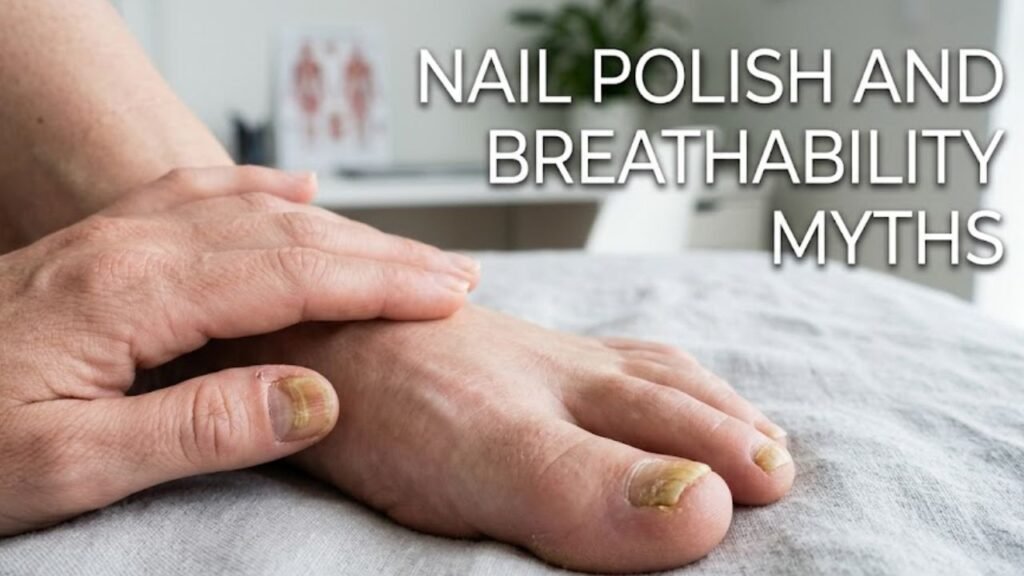
Do Nails Actually Need to Breathe?
The concept that nails require airflow is one of the most persistent beauty myths. However, nails function very differently from skin.
The nail plate—the visible part of the nail—is made of tightly packed keratin cells that are no longer living tissue. Because these cells are not alive, they do not require oxygen from the surrounding air.
Instead, nutrients and oxygen are delivered through blood vessels located beneath the nail matrix and nail bed.
Understanding this biological process is key to debunking nail polish and breathability myths.
The Structure of a Human Nail
To understand how nail polish affects nail health, it is helpful to examine the structure of the nail.
Key Nail Components
- Nail plate: The hard outer surface of the nail
- Nail bed: Skin beneath the nail plate
- Nail matrix: Area where nail growth begins
- Cuticle: Protective barrier around the nail base
- Lunula: The half-moon shape visible at the nail base
Because the nail plate is composed of dead keratin cells, it does not require oxygen from the air. This scientific fact explains why nail polish and breathability myths persist despite lacking biological evidence.
Why the “Nails Need to Breathe” Myth Exists
Several factors contribute to the popularity of this misconception.
Temporary Nail Discoloration
When nail polish is worn continuously, the nail plate may develop a yellow tint due to pigment staining. This change often leads people to assume the nail is unhealthy or deprived of oxygen.
Weak or Brittle Nails
Frequent polish removal using harsh acetone-based removers can dry out the nail plate, causing brittleness.
Marketing Terminology
Some cosmetic brands advertise “breathable nail polish,” reinforcing the idea that nails require airflow.
These factors have contributed to widespread misunderstanding about nail polish and breathability myths.
Does Nail Polish Affect Nail Health?
Although nail polish does not block oxygen, excessive or improper use may still affect nail condition.
Possible Effects of Frequent Nail Polish Use
- Temporary nail discoloration
- Dryness caused by polish remover
- Nail surface dehydration
- Increased brittleness if nails are not moisturized
These effects are related to chemical exposure rather than the lack of oxygen, which is why nail polish and breathability myths often confuse the real causes of nail damage.
What Is “Breathable Nail Polish”?
Some cosmetic companies market breathable nail polishes that claim to allow water and oxygen to pass through the coating.
While these formulas may be slightly more porous than traditional polish, the scientific necessity of breathability remains questionable.
Features of Breathable Nail Polish
- More porous molecular structure
- Water-permeable formulation
- Often marketed for nail health
Despite these marketing claims, the science behind nail polish and breathability myths indicates that nails do not require external oxygen.
Nail Polish Ingredients and Their Effects
Understanding nail polish ingredients can clarify concerns about nail health.
Common Nail Polish Ingredients
- Nitrocellulose
- Plasticizers
- Pigments
- Solvents
- Resins
Some older formulations contained harsh chemicals, but many modern polishes are now labeled “3-free,” “5-free,” or “10-free,” meaning they exclude certain harmful substances.
This development helps address concerns related to nail polish and breathability myths.
Nail Polish vs Natural Nails: A Comparison
| Factor | Natural Nails | Nails with Polish |
|---|---|---|
| Oxygen requirement | None from air | None from air |
| Moisture retention | Natural hydration | Slightly reduced |
| Color appearance | Clear or pink | Pigmented coating |
| Surface protection | Minimal | Added protective layer |
This comparison demonstrates that polish does not interfere with oxygen supply, helping clarify nail polish and breathability myths.
Healthy Nail Polish Habits
While nail polish itself is not harmful when used properly, maintaining good nail care habits is important.
Recommended Nail Care Practices
- Remove polish periodically to inspect nails
- Use gentle nail polish removers
- Apply moisturizing cuticle oil
- Avoid excessive buffing
- Keep nails trimmed and clean
Following these practices reduces issues that contribute to confusion around nail polish and breathability myths.
The Role of Moisture in Nail Health
Although nails do not breathe, they do absorb and release moisture.
Repeated exposure to water, chemicals, and polish removers can dry out the nail plate.
Ways to Maintain Nail Moisture
- Apply hand creams regularly
- Use nourishing cuticle oils
- Wear gloves during cleaning tasks
- Avoid excessive acetone use
Proper hydration helps counteract the problems often blamed on nail polish and breathability myths.
When Should You Take a Break from Nail Polish?
Some individuals choose to take periodic breaks from nail polish to evaluate nail condition.
Situations Where Breaks May Be Helpful
- Persistent nail discoloration
- Brittle or peeling nails
- Recovery from fungal infections
- Nail surface damage from frequent removal
Taking occasional breaks can help restore moisture and improve nail appearance, even though the need for “breathing” is part of nail polish and breathability myths.
Nail Hygiene Tips for Long-Term Nail Health
Maintaining good hygiene habits helps protect nails whether polish is used or not.
Best Nail Hygiene Practices
- Keep nails clean and trimmed
- Avoid biting or picking at nails
- Use sanitized nail tools
- Moisturize regularly
- Protect nails during cleaning activities
These habits support healthy nails regardless of the misconceptions surrounding nail polish and breathability myths.
Practical Tips for Safe Nail Polish Use
Maintaining balanced nail care routines can prevent common cosmetic nail issues.
Expert recommendations include:
- Use base coats to prevent staining
- Avoid leaving polish on for excessive periods
- Use non-acetone removers when possible
- Moisturize nails regularly
- Allow nails occasional polish-free days
These tips help minimize damage often incorrectly attributed to nail polish and breathability myths.
FAQs
Do nails need oxygen from the air?
No. Nails receive nutrients and oxygen through blood circulation beneath the nail plate, not from the surrounding air.
Does nail polish suffocate nails?
No. Because nails are composed of dead keratin cells, polish does not block oxygen in a way that harms nail health.
What causes yellow nails after wearing polish?
Pigment staining from darker polishes can temporarily discolor the nail surface.
Is breathable nail polish necessary?
Breathable nail polish is not medically necessary, though some people prefer it for cosmetic reasons.
How often should nail polish be removed?
Many experts recommend removing polish every 1–2 weeks to inspect nail health and moisturize the nail plate.
Conclusion
Misconceptions about nail care often arise from misunderstandings about nail biology. The widespread belief that nails must “breathe” has led to persistent nail polish and breathability myths, even though scientific evidence shows that nails do not require oxygen from the surrounding air.
While nail polish does not suffocate nails, excessive use of harsh removers or poor nail care habits can still lead to dryness or discoloration. Understanding the true causes of these issues allows individuals to maintain healthier grooming routines.
By following proper nail care practices, moisturizing regularly, and using gentle products, homeowners and property managers can enjoy polished nails without worrying about the myths surrounding nail breathability.
Ready to See a Podiatrist?
Connect with top-rated podiatrists in your area. Book appointments instantly with verified doctors who accept your insurance.
Same-Day Appointments
Get seen today with urgent care availability
Verified Reviews
Real patient reviews and ratings
Insurance Accepted
Most major insurance plans covered