Preventing Nail Damage During Sports
Find a Podiatrist Near You
Get same-day appointments with verified podiatrists. Insurance accepted.
Preventing nail damage during sports is an essential part of maintaining foot health for athletes, active individuals, and anyone who regularly participates in physical activity. Sports place significant stress on the feet and toes through repeated impact, friction, and pressure inside footwear. Over time, this stress can lead to nail injuries such as bruising, cracking, thickening, or even nail loss.
These injuries are particularly common in activities that involve running, jumping, or sudden direction changes. Sports like soccer, basketball, hiking, tennis, and long-distance running frequently expose toenails to repeated trauma. Without proper prevention strategies, athletes may experience painful nail conditions that affect performance and mobility.
For homeowners and property managers who enjoy recreational sports or maintain active lifestyles, understanding preventing nail damage during sports helps protect foot health while supporting long-term physical activity.
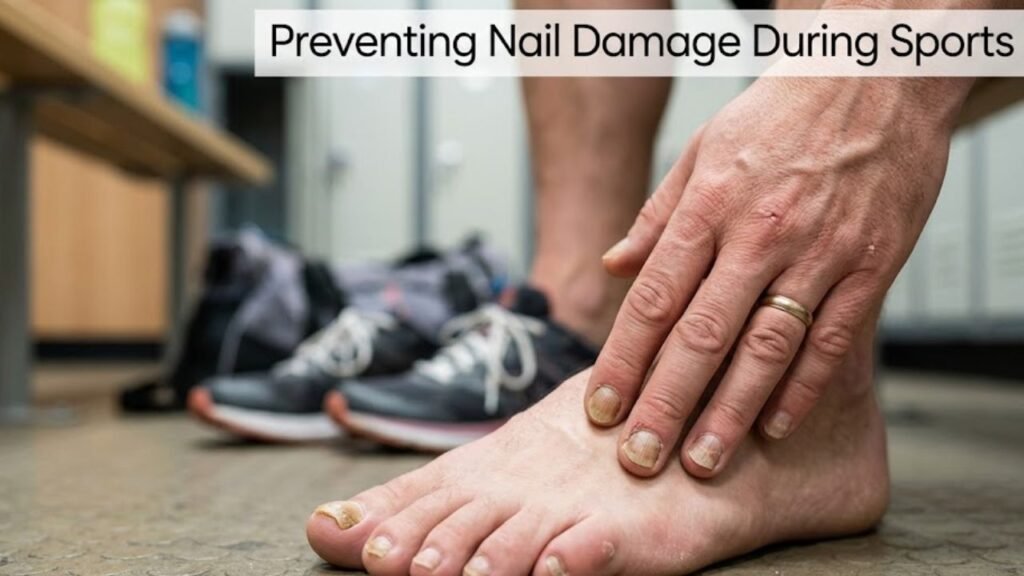
Why Sports Can Damage Toenails
Toenails are designed to protect the sensitive skin beneath the nail bed. However, during sports, the repeated force applied to the toes can cause the nail plate to absorb impact and pressure.
When feet slide forward inside shoes or strike the ground repeatedly, the nail may hit the shoe interior. Over time, this constant contact can cause bruising, cracking, or detachment of the nail.
Understanding these forces is important when learning about preventing nail damage during sports.
Common Causes of Sports-Related Nail Damage
- Repeated impact during running or jumping
- Tight or poorly fitting footwear
- Long toenails pressing against shoe interiors
- Excessive friction inside socks
- Sudden foot movements during athletic activities
These factors highlight why preventive foot care is essential for active individuals.
Common Types of Nail Injuries in Sports
Several nail conditions can occur when the feet experience repeated stress.
Subungual Hematoma (Bruised Toenail)
A bruised toenail occurs when blood collects under the nail due to repeated impact. The nail may appear dark purple or black.
Nail Lifting (Onycholysis)
In some cases, the nail plate separates from the nail bed due to trauma.
Cracked or Split Nails
High-impact sports may cause nails to crack, split, or become brittle.
Nail Loss
Severe repeated trauma can eventually cause the nail to detach completely.
Understanding these conditions is an important step in preventing nail damage during sports.
Choosing the Right Athletic Footwear
Proper footwear plays a crucial role in protecting nails during sports.
Shoes that are too tight in the toe box increase pressure on toenails, while shoes that are too loose allow the foot to slide forward repeatedly.
Key Shoe Features for Nail Protection
- Adequate toe box space
- Proper arch support
- Shock-absorbing soles
- Secure heel fit
- Breathable materials
Selecting appropriate footwear is one of the most effective strategies for preventing nail damage during sports.
Importance of Proper Shoe Fit
Even high-quality athletic shoes can cause problems if they do not fit properly.
Shoe Fit Guidelines
- Leave about half an inch of space between the longest toe and shoe front
- Ensure toes can move freely inside the shoe
- Avoid narrow toe boxes that compress toes
- Test shoes while wearing athletic socks
These steps help ensure footwear supports the goals of preventing nail damage during sports.
Proper Toenail Trimming Techniques
Long toenails are more likely to strike the inside of shoes during sports.
Regular trimming reduces the risk of nail trauma.
Nail Care Tips for Athletes
- Trim nails straight across
- Avoid cutting nails too short
- File rough edges after trimming
- Inspect nails regularly for changes
Proper nail maintenance is an essential component of preventing nail damage during sports.
Choosing the Right Athletic Socks
Socks can significantly influence comfort and friction levels during sports.
High-quality athletic socks help reduce movement inside shoes and absorb moisture.
Recommended Sock Features
- Moisture-wicking fabric
- Seamless toe design
- Adequate cushioning
- Snug but comfortable fit
Selecting appropriate socks supports preventing nail damage during sports by minimizing friction.
Managing Moisture and Friction
Excess moisture can soften nails and skin, making them more vulnerable to injury.
Sweaty feet also increase friction inside shoes.
Moisture Control Strategies
- Wear moisture-wicking socks
- Use foot powders to absorb sweat
- Rotate shoes to allow drying
- Choose breathable footwear materials
These strategies contribute to preventing nail damage during sports by maintaining a dry environment.
Protective Techniques for High-Impact Sports
Athletes participating in high-impact sports may benefit from additional protective measures.
Protective Measures
- Use toe caps or protectors
- Apply blister prevention tape
- Choose shoes designed for the specific sport
- Replace worn-out athletic shoes regularly
These precautions further support preventing nail damage during sports.
Comparison of Nail Injury Risk by Sport
Certain sports carry higher nail injury risks than others.
| Sport | Nail Injury Risk | Primary Cause |
|---|---|---|
| Running | High | Repeated toe impact |
| Soccer | High | Sudden foot movements |
| Basketball | Moderate–High | Jumping and landing |
| Tennis | Moderate | Rapid directional changes |
| Hiking | Moderate | Downhill pressure |
Understanding these risks helps athletes prioritize preventing nail damage during sports.
Recognizing Early Signs of Nail Damage
Early detection of nail problems allows athletes to adjust habits before injuries worsen.
Warning Signs
- Dark discoloration under the nail
- Nail tenderness or pain
- Thickened nail edges
- Nail separation from the bed
Recognizing these signs early supports better outcomes when preventing nail damage during sports.
When to Seek Medical Attention
Some nail injuries require professional medical evaluation.
Situations Requiring Medical Care
- Severe nail pain
- Large bruises under the nail
- Signs of infection
- Nail detachment
Seeking medical attention when needed helps ensure proper recovery while continuing efforts in preventing nail damage during sports.
Practical Tips for Protecting Nails During Sports
Maintaining healthy nails requires consistent preventive habits.
Expert recommendations include:
- Trim nails regularly
- Wear properly fitted athletic shoes
- Use moisture-wicking socks
- Inspect feet after sports activities
- Replace worn athletic footwear
These practices support long-term success in preventing nail damage during sports.
FAQs
Why do athletes get black toenails?
Black toenails often occur due to repeated impact that causes bleeding under the nail.
Can tight shoes cause nail damage?
Yes. Tight shoes compress the toes and increase pressure on the nail plate.
How often should athletes trim toenails?
Toenails should generally be trimmed every two to three weeks or whenever they become long enough to touch the shoe interior.
Do moisture-wicking socks help protect nails?
Yes. They reduce friction and keep feet dry, lowering injury risk.
Can nail damage affect athletic performance?
Yes. Painful nail injuries can make walking, running, or playing sports uncomfortable.
Conclusion
Sports and physical activity place significant stress on the feet, particularly the toenails. Repeated impact, tight footwear, and excessive friction can lead to bruising, cracking, or nail loss if preventive measures are not taken.
Understanding preventing nail damage during sports allows athletes and active individuals to maintain healthy feet while continuing their activities safely. Proper footwear, regular nail care, moisture control, and protective gear all play important roles in preventing injuries.
By adopting consistent foot care habits and selecting the right athletic equipment, homeowners and property managers who participate in sports can protect their nails, reduce injury risk, and enjoy physical activity without discomfort.
Ready to See a Podiatrist?
Connect with top-rated podiatrists in your area. Book appointments instantly with verified doctors who accept your insurance.
Same-Day Appointments
Get seen today with urgent care availability
Verified Reviews
Real patient reviews and ratings
Insurance Accepted
Most major insurance plans covered